Institutions lose 25–40% of academic effort correcting inconsistencies in programme rules, assessments, and progression decisions after they are already published.
Classter replaces fragmented academic processes with one structured institutional system.
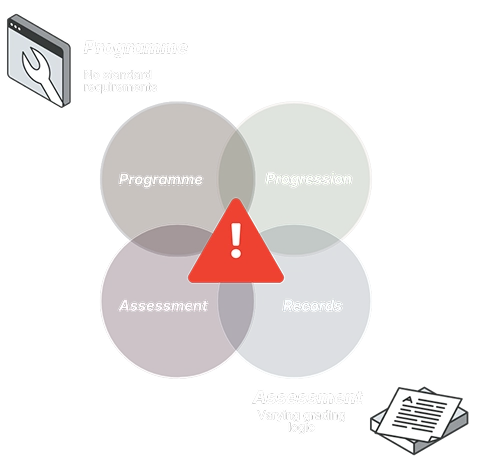
When academic rules live outside the system, staff must remember them, interpret them, and apply them manually. That is how small differences creep in. A prerequisite missed here. A progression exception handled differently there. Over time, those differences turn into inconsistency. Academic governance works only when the system applies the rules itself. Programme structures, assessment weighting, and progression logic must be built into daily operations, so deliverytime executed the same way everytime
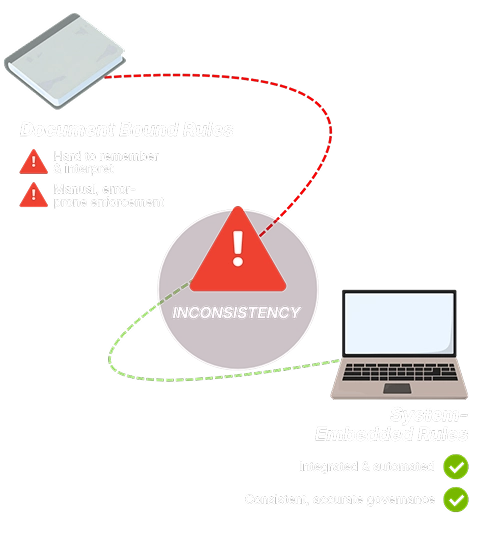
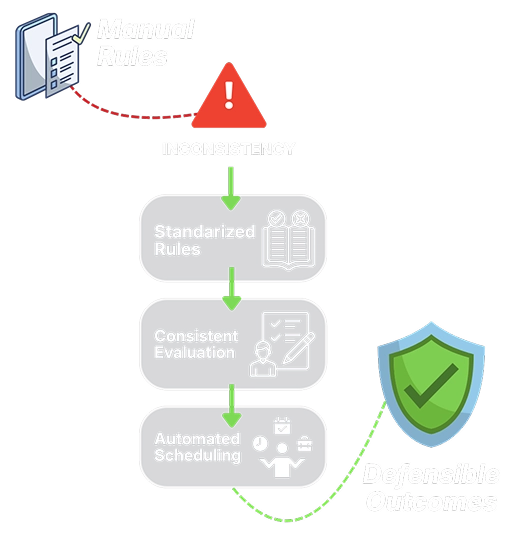
Classter enforces approved programme rules, assessments, and progression across the entire academic lifecycle. Programme logic is defined once and applied automatically. When academic changes occur, records update immediately, without interpretation or delay. As students change modules or progression status, outcomes are applied in real time according to approved rules. The result is fewer post-publication corrections, fewer student appeals driven by inconsistency, and lower audit and accreditation exposure.
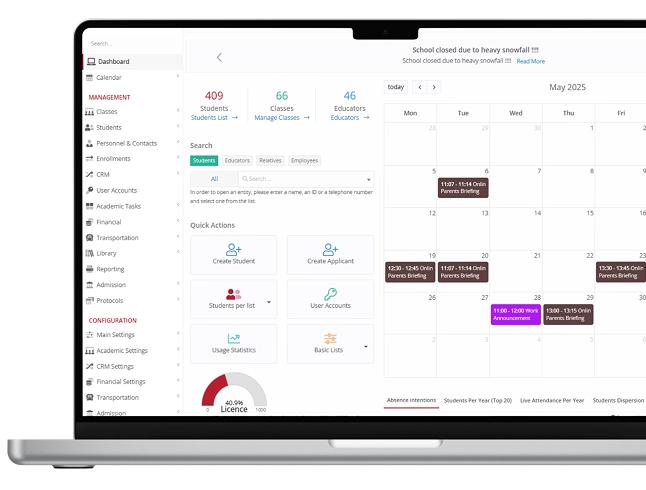

See Academic Governance in Action
30-minute working session. Watch programme rules drive assessment and progression automatically. See how academic changes propagate across records without manual intervention. Understand how governed delivery produces audit-ready evidence by default.
Yes. Including multi-track programs, prerequisites, and progression logic.
In most cases, yes. Classter is designed to manage academic delivery end-to-end.
It removes manual administration and reinforces clarity, not control.
We use a few cookies to make your experience on our site even better. Since we're all about privacy, you can choose what you're okay with us using.